SOSOO Amenities — Resources
The Plastic Waste Your Amenity Programme Is Generating on Every Charter (and the Simple Fix)
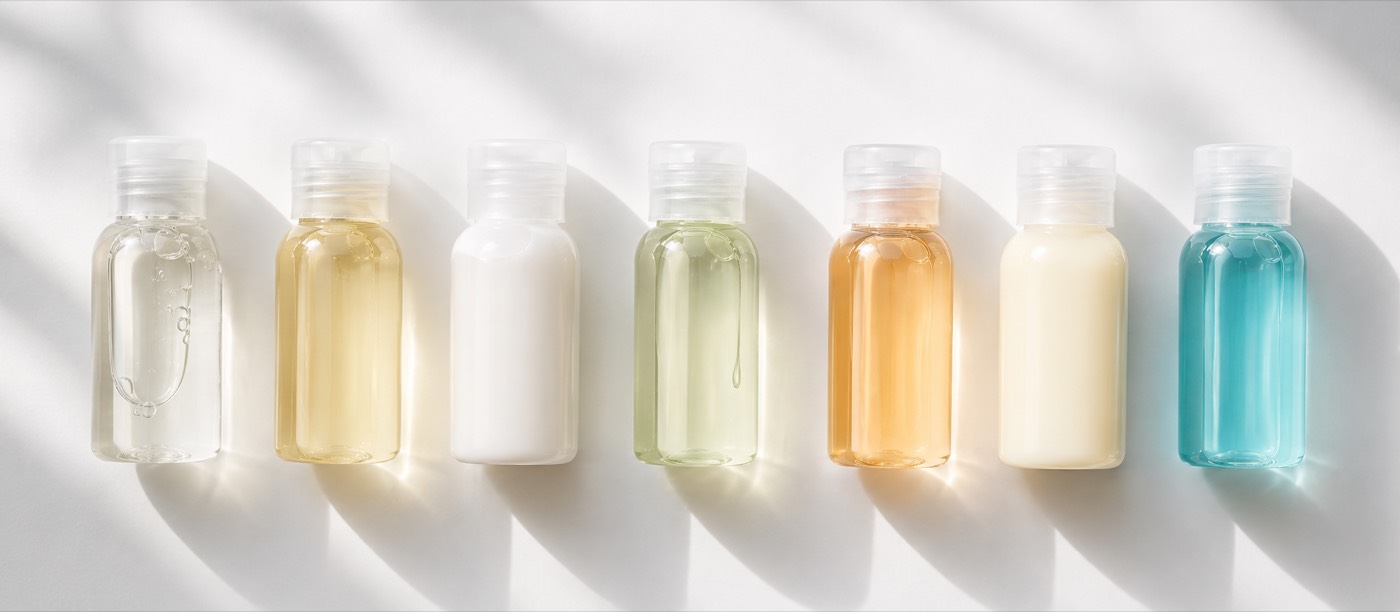
A four-cabin charter yacht running ten charters a season goes through roughly 800 to 1,200 single-use plastic amenity items a year.
Shampoo. Conditioner. Body wash. Lotion. Soap. Each sealed individually. Each used once, then either taken by a guest or dropped in the bin. Most end up in the yacht's waste stream — bagged, logged, offloaded at the marina.
Nobody planned this as a waste problem. It happened because that is what amenities are, and it has continued season after season because changing it seemed complicated. It is not complicated. But the numbers are worth understanding first.
How much plastic a charter season actually generates
| Vessel | Cabins | Charters per season | Single-use plastic items (est.) |
|---|---|---|---|
| 35–45m charter | 4 | 10 | 800–1,000 |
| 45–55m charter | 6 | 8 | 960–1,200 |
| 55m+ charter | 8 | 6 | 960–1,440 |
Every one of those items is a piece of plastic that entered the vessel and has to leave it. Under MARPOL Annex V, no plastic waste can be discharged at sea. It goes in the garbage log, it gets bagged, and it gets offloaded at a marina waste facility. For most charter yachts, this means a meaningful volume of single-use plastic in the waste record every time a charter ends.
This is not a hypothetical future problem. It is the current operational reality for every charter yacht running a conventional miniature amenity programme.
The garbage log reality
Professional charter vessels maintain a MARPOL-compliant garbage management plan and a garbage record book. Every significant waste offloading event is logged. The volume of amenity packaging accumulating in that record — season after season, charter after charter — is visible to anyone who reviews it.
Charter management companies, owners, and increasingly guests are reviewing it. The charter market at the top end has shifted sharply toward environmental expectation in the last few seasons. A guest who books a premium charter is often the same person who asks about the yacht's waste management. When the answer involves hundreds of single-use plastic bottles per season, it is not the answer they were expecting.
Why most yachts have not switched yet
The friction is real, even if it is smaller than it looks.
Miniature amenities are familiar. The provisioner knows where to source them. The crew knows how to place them. Changing a system that works — even one with a waste problem — requires a decision, a new supplier, and some confidence that the alternative will not create more work.
The other barrier is the belief that refillable amenities mean either cheap generic wall dispensers or a complicated programme that is hard to manage on a boat. Neither has to be true if the programme is designed for the charter environment rather than adapted from a hotel model.
What the fix actually involves
A refillable amenity programme replaces single-use miniatures with vessel-mounted dispensing systems or permanent cabin vessels — filled from bulk product, tracked by cabin, and restocked between charters rather than replaced after every use.
The waste reduction is immediate. Instead of 800 to 1,200 single-use plastic items per season, the amenity waste stream drops to the occasional bulk container and any vessel replacements at end of service life. The MARPOL record reflects this directly.
The operational change is smaller than most crews expect. Refilling a cabin vessel — removing it, filling from a sealed bulk container, reseating — takes under three minutes. Most crews who switch report turnaround time for amenities goes down, not up, once the stock tracking removes the manual counting.
The SOSOO Operating System handles the tracking layer: installed bottles per cabin, refill logs, stock cover, and reorder forecast based on the next bookings. The chief stewardess is not counting miniatures or sending a WhatsApp about body wash.
Does the product quality hold up?
This is the real question. Generic refillable systems often use hotel-spec formulations that were never tested for salt exposure, hard water, or repeated rinsing in marine conditions. The product feels good on day one and disappoints by day three.
A programme built specifically for the charter environment uses formulations designed for these stressors. Amino-acid based surfactants that perform through salt accumulation rather than stripping the barrier further. Ceramide support and multi-weight hyaluronic acid for skin that recovers properly after a long day offshore. Fragrance encapsulation so the scent lasts after towelling dry in sea air, not just in the shower.
The guest experience from a well-formulated refillable programme is better, not worse, than a shelf of miniatures. It is also more defensible when a guest asks what the programme is — because it is not something they have already seen in an airport or another property this season.
More on the formulation science →
The regulatory dimension — which is arriving regardless
The waste argument stands on its own. But it is worth knowing that regulation is moving in the same direction.
Balearic Law 8/2019 already prohibits single-use plastic amenity items for commercial operations in Mallorca, Ibiza, Menorca, and Formentera — including charter vessels operating from those marinas. In force since 2019. Most vessels are not compliant and are not aware of the requirement.
EU PPWR (Regulation 2025/40) adds recyclability requirements from August 2026 and will prohibit single-use miniature formats across the EU from January 2030.
A charter yacht that switches to a refillable programme now solves the waste problem, reduces the garbage log footprint, and is ahead of the regulatory curve. Three arguments for the same decision.
Start a brief for your vessel →
FAQ
How many single-use items does a typical charter yacht generate per season? For a four-cabin vessel running ten charters, a realistic estimate is 800 to 1,000 items. The figure varies with cabin count, charter frequency, and guest usage patterns.
Does switching to refillable add crew workload? In a well-designed system it reduces it. Refilling cabin vessels takes under 15 minutes total per turnaround. Counting, placing, and reordering 80 to 120 individual miniatures takes longer.
Do refillable amenities reduce the MARPOL garbage log? Yes, significantly. Single-use miniatures are individually logged plastic waste that must be offloaded at marina facilities. A refillable system reduces amenity packaging waste to the occasional bulk container.
Does Balearic Law 8/2019 apply to charter vessels? Yes. The law applies to commercial operations in the Balearic Islands regardless of vessel flag. A charter yacht using single-use plastic amenities and operating from a Balearic marina is in scope. Full compliance guide.
Can refillable amenities still deliver a luxury guest experience? Yes. The quality depends on the formulation, not the format. A well-formulated programme in designed ceramic or glass vessels produces a better experience than a shelf of miniatures guests have already seen in three other places this season.
Get in touch
cs@sosooamenities.com →